Hurricane Beryl: Our Post-Hurricane Efforts

Fryda Ochoa • July 16, 2024

CFTH and partners of The Way Home mobilized to help our unhoused neighbors

On the morning of Monday, July 8th, Hurricane Beryl made landfall in Texas. Starting as a Category 1 hurricane and later weakening to a tropical storm, Beryl brought 80mph winds and several inches of rain to Houston, leaving over 2 million people without power for days.


As the winds and waters began to recede, we got to work.


Coordinating with local emergency management authorities


As designated coordinator to The Way Home (our local homeless response system), we proactively work with local government entities to advocate on behalf of people experiencing homelessness to ensure their needs are being considered during severe weather events. Because we are not emergency responders, we rely on our local offices of emergency management to lead the way and make resources available during natural disasters. We're grateful to the City and County emergency response teams and the first responders who ensure people's safety during extreme weather events. 


Disseminating vital information


During and immediately after the storm, we launched a resource page to help broadcast important information about emergency and disaster shelters, cooling centers, water and food distribution centers and other vital updates.

Supporting our Housing Program and Shelter partners


Shortly after Beryl, our team members contacted homeless service providers and other partners in The Way Home to assess the impact on their facilities and operations, to understand their needs, and to determine how we could best offer support. We learned that the storm left several of our partners — both shelters and permanent housing programs — without power and with shortages of essential resources. Many shelters had to suspend intake temporarily or operate under challenging conditions such as relying on generators. 


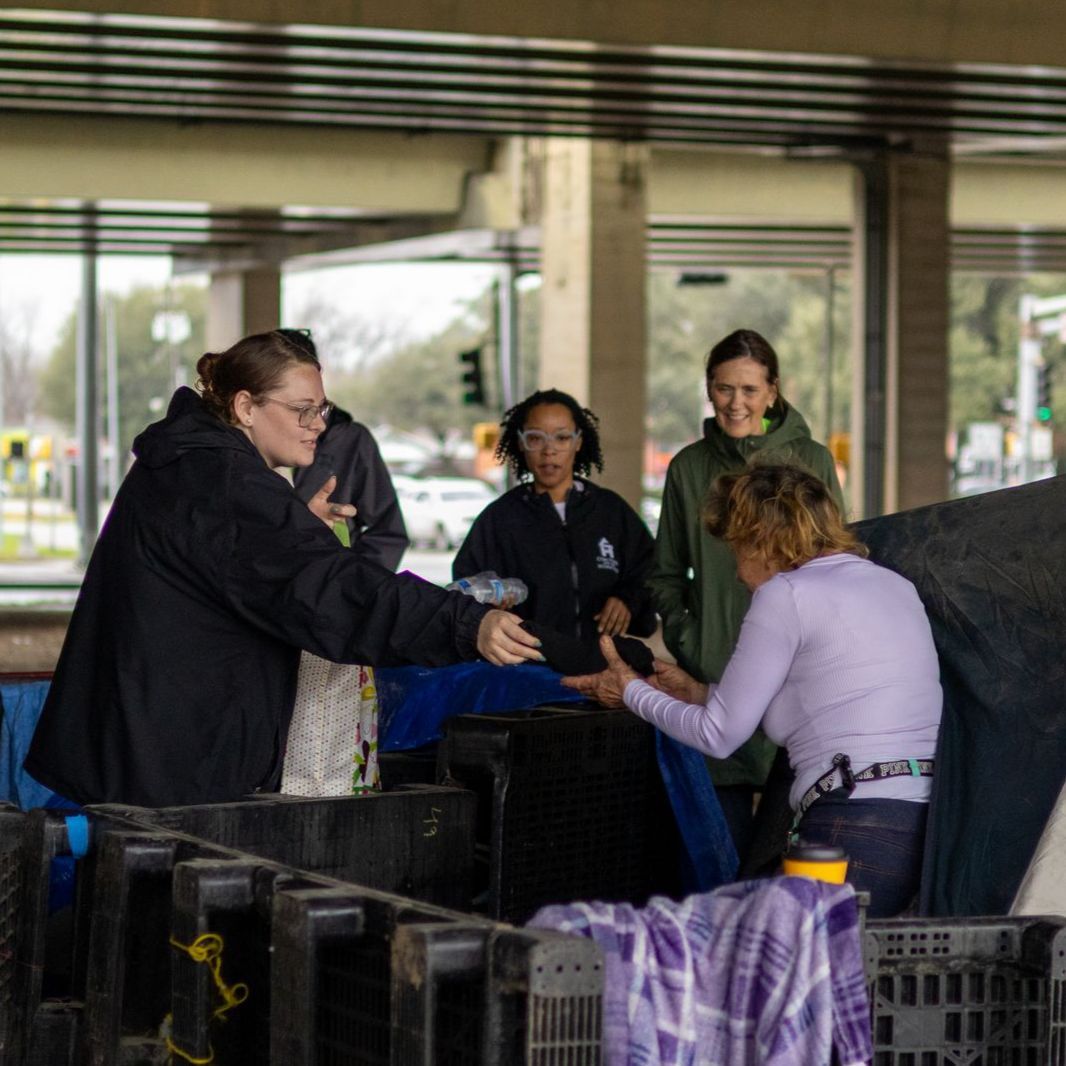
By leveraging our networks, we were able to facilitate food and water distributions in collaboration with Lakewood Church to New Hope Housing, and we secured essential supplies for some other partners as well. 


One of our main priorities is making sure that people who are currently residing in a housing program of The Way Home do not fall back into homelessness due to this disaster.

Direct Outreach to those Unsheltered


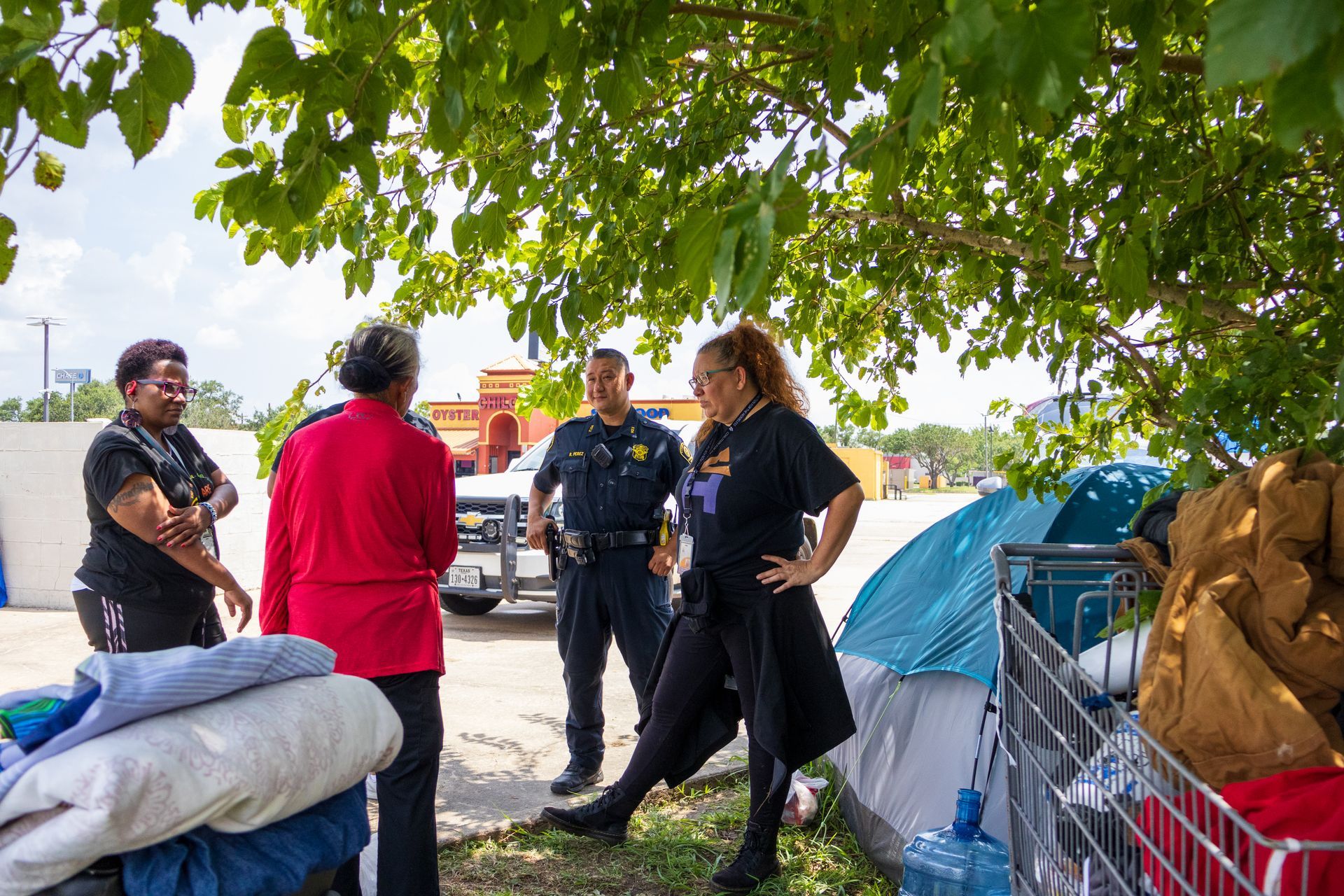
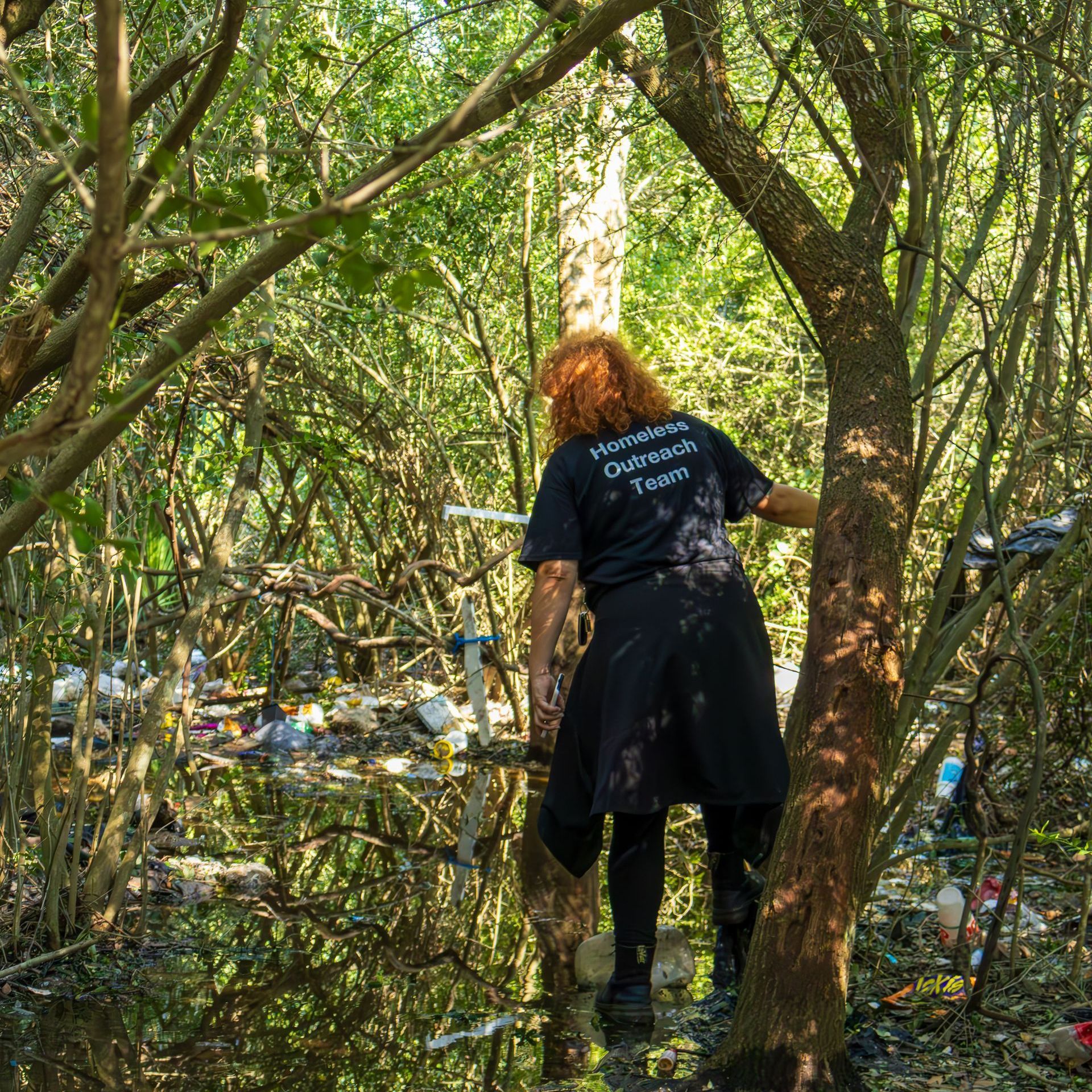
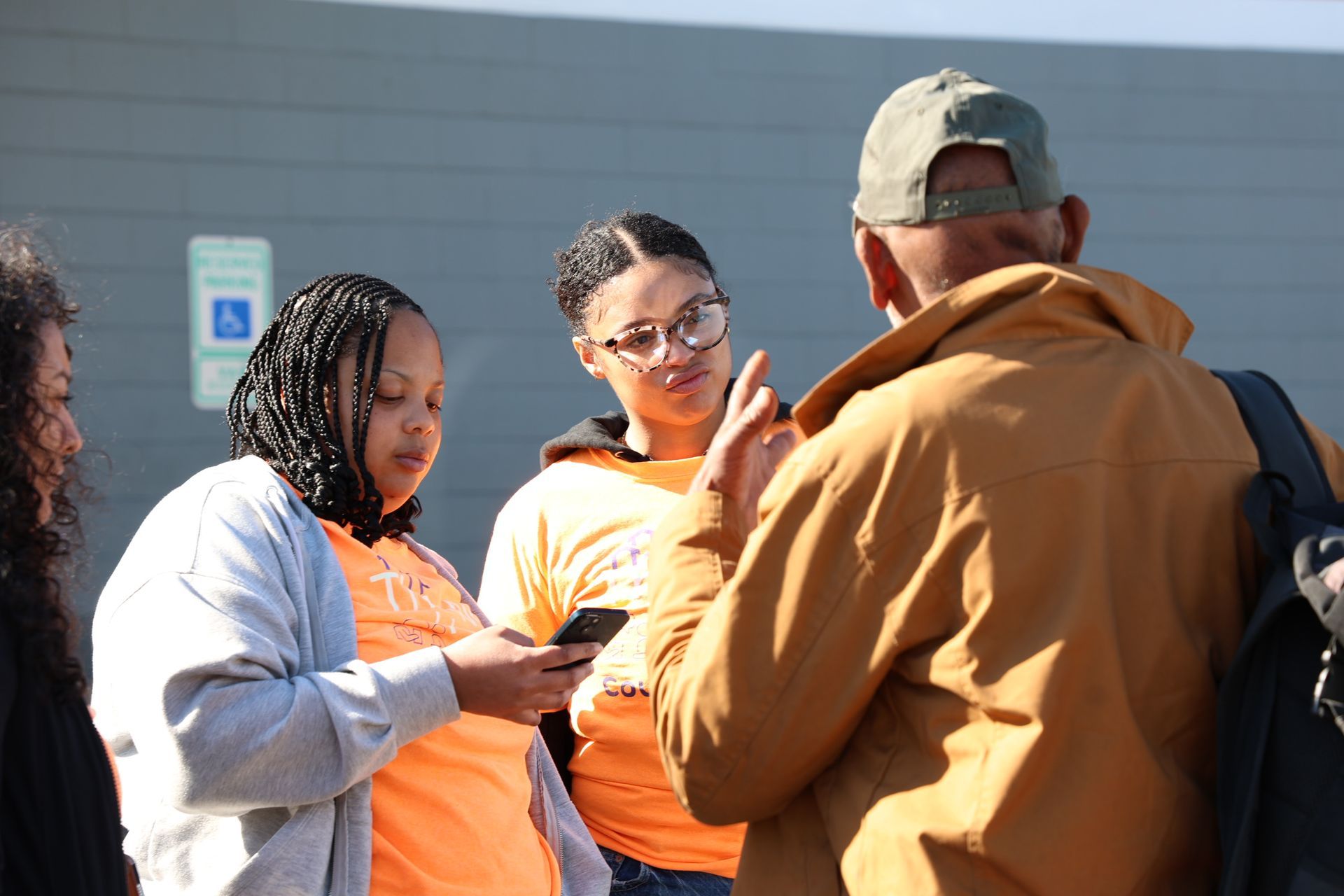
Our system’s outreach efforts resumed promptly that Wednesday to check on unsheltered people, distribute necessities (made possible through our hot weather supplies drive), and provide transportation to cooling centers/shelters when possible. 


Unable to do perform their regular job duties due to power and internet outages, we even had some additional staff step in to support the outreach team in the field.

Preventing Homelessness Post-Disaster


Now, as disaster shelters begin to wind down their operations, we are collaborating closely with agencies like 211, Alliance of Community Assistance Ministries (ACAM) and FEMA to prevent individuals whose homes may have been damaged by Beryl from falling into homelessness. 


Looking Ahead


As Houston continues its recovery from Hurricane Beryl, our focus remains clear: to support and protect our homeless community members through coordinated efforts, advocacy, and outreach. By working collaboratively with partners and stakeholders, our efforts have focused on maintaining essential services, advocating for necessary resources, and preventing displacement among vulnerable populations. Ultimately, the impact of Hurricane Beryl underlines the need to invest more resources in housing and services to remove our unhoused neighbors from risk. The best way to make our community more resilient is to ensure there are as few people living unsheltered/on the streets as possible before a natural disaster strikes!


As we move forward, we extend our heartfelt thank you to everyone involved for their compassion and resolve during this critical time.

By Catherine Villarreal February 24, 2026
Houston, Texas (February 24, 2026) – This week, the nonprofit Coalition for the Homeless of Houston/Harris County (CFTH) is leading the annual Point-in-Time Homeless Count & Survey (“PIT Count”) to determine the number of people experiencing homelessness across Houston and throughout Harris, Fort Bend, and Montgomery counties. “We may see a slight uptick in the number this year, but we have a plan,” said Kelly Young, President & CEO of CFTH. “With the support of the City of Houston, Harris County, and private funders, we have been piloting new interventions to shorten the length of time people in our region experience homelessness. With adequate funding, we look forward to expanding those interventions to help people regain lives of self-determination.” CFTH coordinates the Houston region’s public-private homeless response system, The Way Home . Through this collaboration, The Way Home partners have successfully housed over 36,000 people since 2012. CFTH will release the results of Houston’s 2026 PIT Count in the summer, following independent verification by an epidemiologist. These findings will provide insight into how factors such as increases in the cost of living and the end of federal pandemic relief funding have impacted homelessness in our region. More information about the 2026 Point-in-Time Homeless Count & Survey The PIT Count offers a snapshot of how many people are experiencing homelessness in our region on a single night. This year, the “night of record” is Monday, Feb. 23. CFTH determines the number of people staying in shelters on that night by pulling records electronically from the Homeless Management Information System (HMIS) . The unsheltered count will be conducted on the following days, from Tuesday, Feb. 24 to Thursday, Feb. 26. More than 400 volunteers and staff of local nonprofit service provider partners will canvass the three-county region to survey people living unsheltered, using an app on their mobile devices. Results from the 2026 PIT Count will help gauge the progress of The Way Home’s ongoing collaborative efforts. It will also help CFTH and partner homeless outreach teams understand geographic shifts and target their outreach throughout the year. The PIT Count illuminates specific programmatic gaps and provides additional information needed to allocate resources most efficiently. The PIT Count is a requirement of the U.S. Department of Housing & Urban Development (HUD) for the annual Continuum of Care (CoC) funding process. HUD furnishes the majority of funding for programs that provide housing and supportive services to people experiencing homelessness in the region. In 2024, HUD granted more than $71 million to the Houston area.
By Catherine Villarreal January 21, 2026
As lead agency to The Way Home Continuum of Care (CoC), CFTH is working with local governmental entities to advocate on behalf of people experiencing homelessness to ensure their needs are being considered as winter weather affects our region. We will make frequent updates as we receive information. Please check back often for the latest information. Last updated 02/01/2026 at 12:00 p.m.
By Fryda Ochoa September 9, 2025
While our system has helped thousands of people move from homelessness to housing, this year’s results highlight the need to broaden our approach.
Show More