HUD Announces How the Violence Against Women Act Will Affect HUD Programs
Communications Admin • September 9, 2013
The Department of Housing and Urban Development (HUD) issued a notice in the Federal Register on August 6, to provide information on how the reauthorization of the Violence Against Women Act 2013 (VAWA 2013) will apply to HUD programs. Enacted on March 7, 2013, VAWA 2013 was designed to protect both adult and child victims of domestic violence, dating violence, sexual assault, and stalking.
VAWA 2013 expands the original applicability beyond public housing and Section 8 tenant-based and project-based rental assistance programs and now includes:
- Low Income Housing Tax Credit (Housing Credit)
- Section 202 Housing for the Elderly
- Section 811 Housing for Persons With Disabilities
- Housing Opportunities for Persons with AIDS (HOPWA)
- HOME Investment Partnerships (HOME)
- Section 221(d) mortgage insurance
- Section 236 mortgage insurance programs
- Other rural housing assistance programs (authorized by the Housing Act of 1949)
Notable expansions in VAWA 2013 include replacing “immediate family member” with “affiliated individual” as it relates to prohibiting the termination of assistance because of criminal activity relating to domestic or dating violence, sexual assault, or stalking. If the tenant or “affiliated individual” is the victim of criminal activity described above, it cannot be cause for ending assistance or occupancy rights.
Other expansions include:
- Extending housing protections to survivors of sexual assault
- Adding “intimate partner to the list of eligible relationships under the domestic violence definition
- Click here to read the entire notice for more expansions.
HUD is also inviting comments from HUD program participants and interested members of the community until October 7, 2013, to help HUD as it continues to create guidance and regulations. HUD encourages electronic submission of comments, and commenters should search by docket number: FR–5720–N–01. You can also find additional information from the National Council of State Housing Agencies
and the National Housing Law Project.
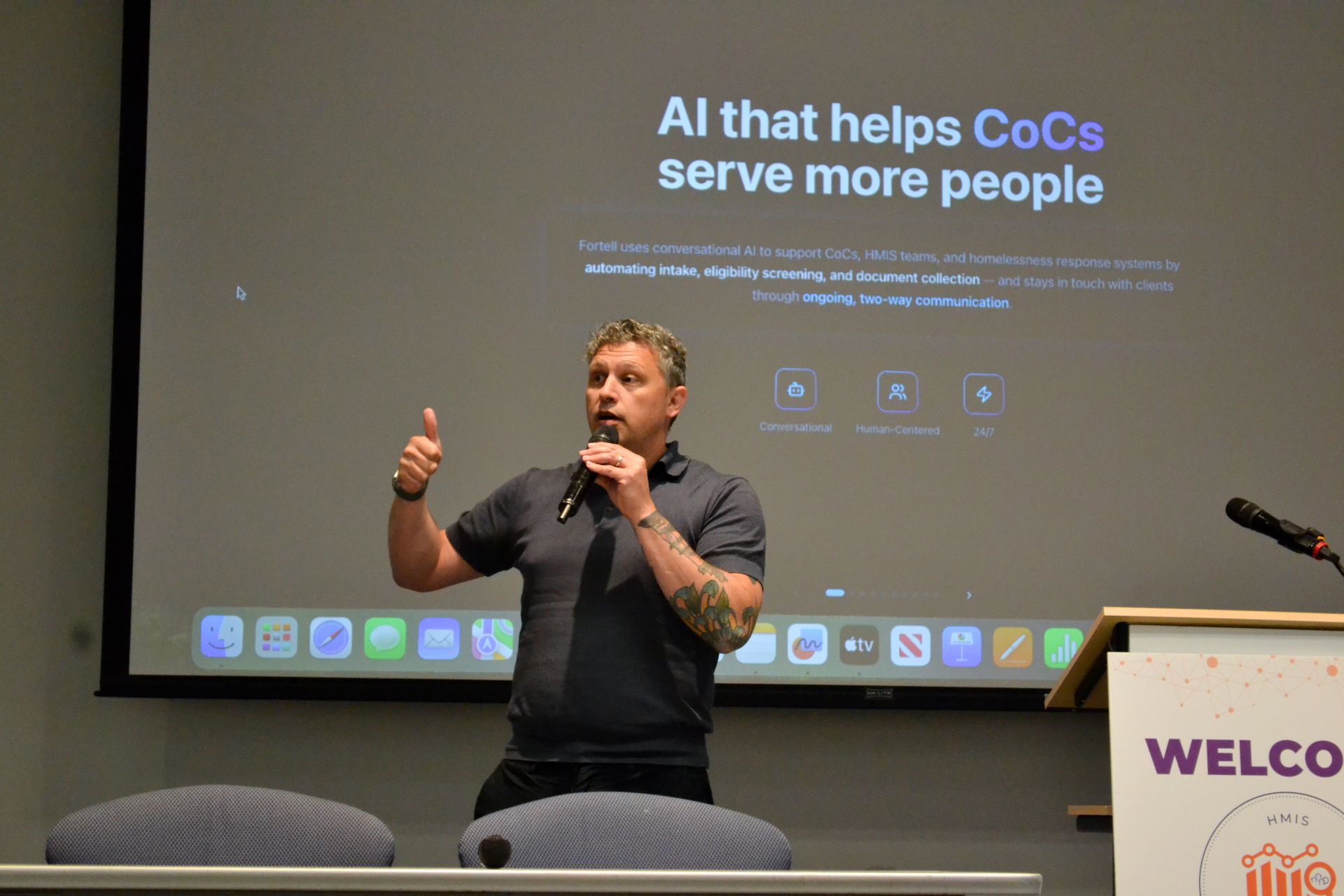
CFTH is testing how artificial intelligence can help connect people at risk of homelessness with existing prevention resources more efficiently.
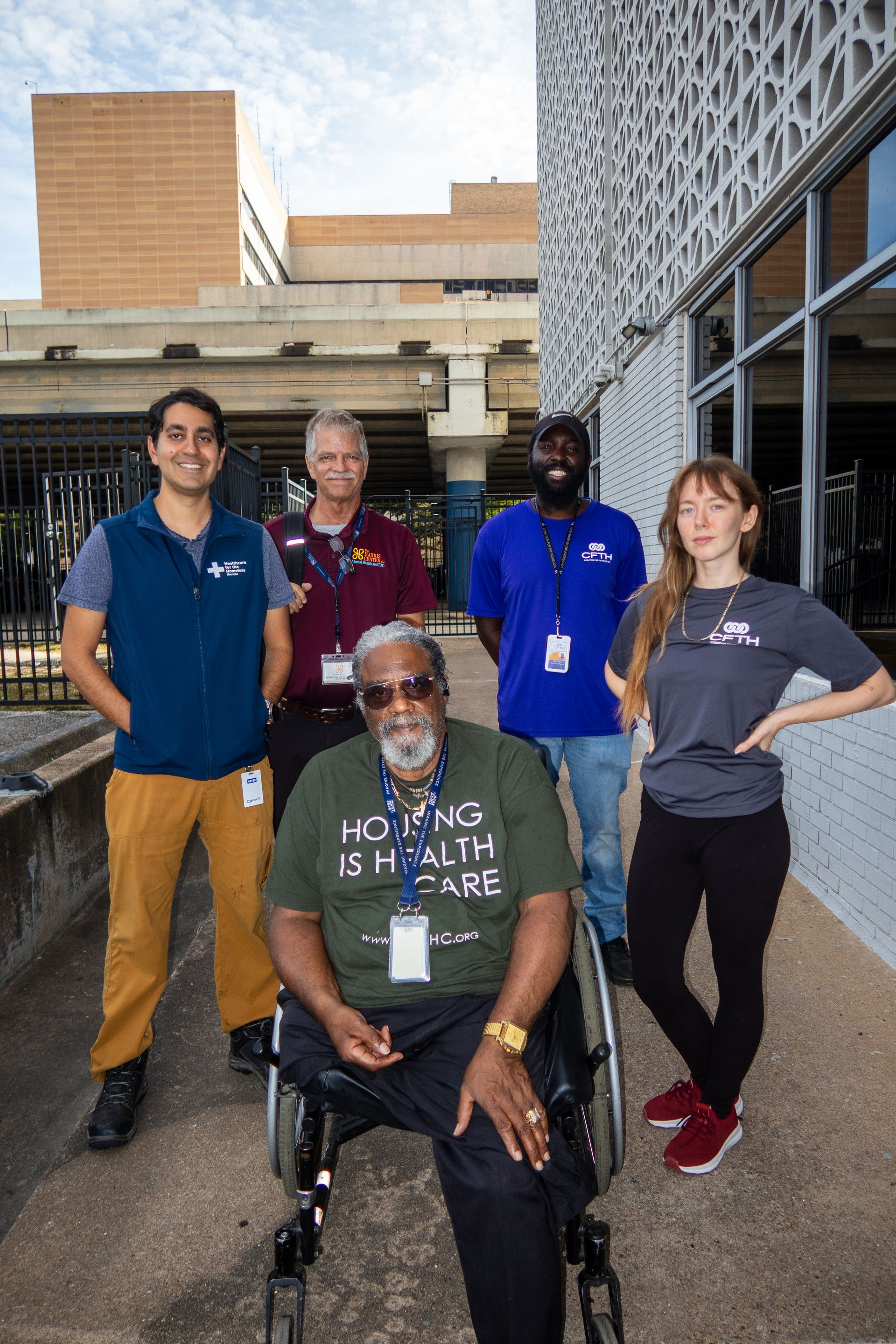
Learn how the SMART team brings CFTH and community partners together to connect people experiencing homelessness with coordinated care and support.
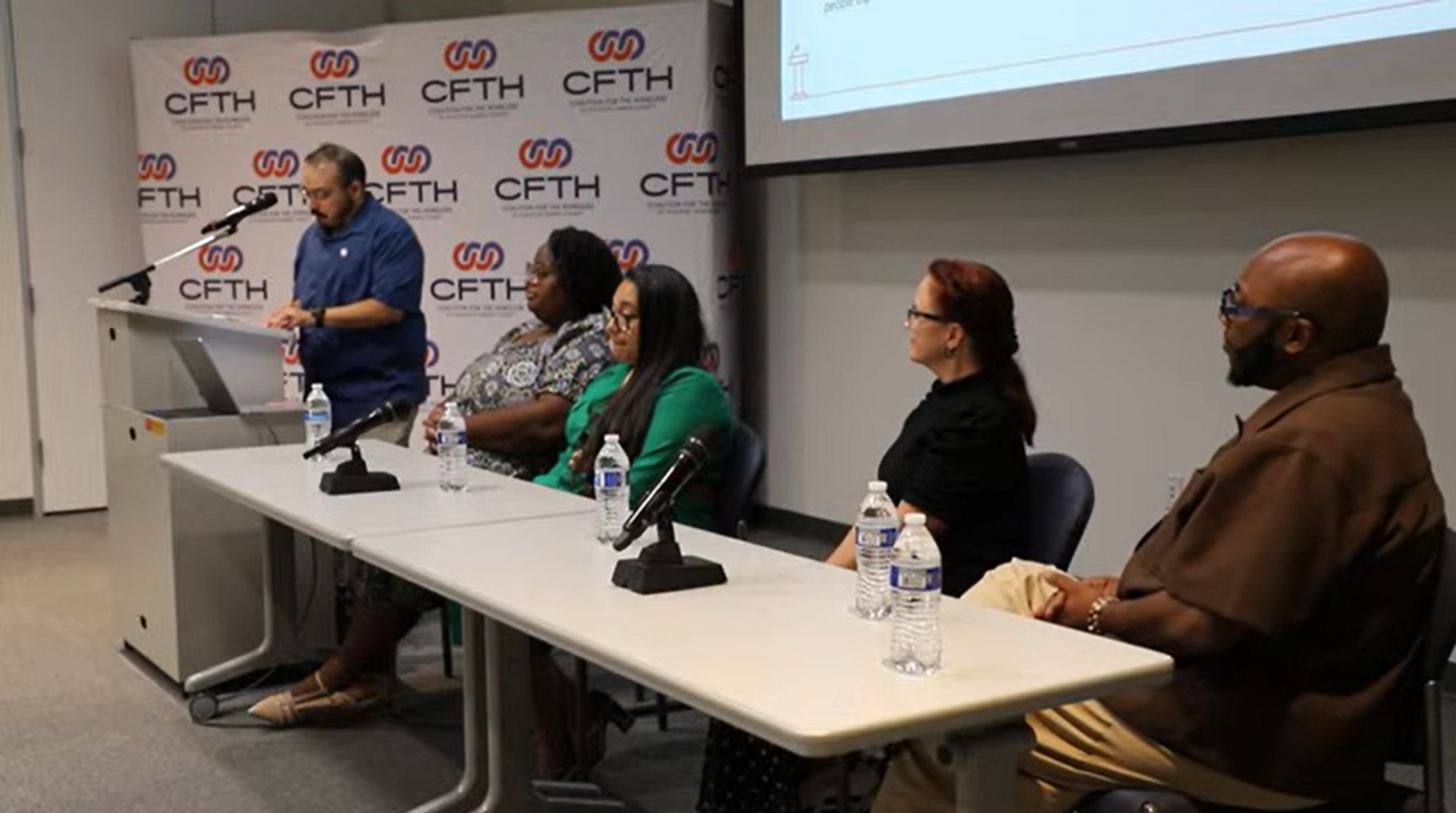
When someone experiences homelessness, the right solution is not always a long-term housing program. Sometimes a person needs help replacing an ID, reconnecting with family, finding an affordable shared home or overcoming another immediate barrier. That idea guided CFTH Presents: Building Better Pathways — Creating Faster Routes to Stability . The Coalition for the Homeless of Houston/Harris County (CFTH) hosted the discussion with leaders who oversee and carry out Rapid Resolutions across The Way Home, the Houston region’s homeless response system.